Why Your Crochet Tension Changes (and How to Even It Out)
Rows that start tight and end loose? Squares that never quite match? Here is why crochet tension drifts, how to spot it early and practical ways to keep it steady.
On this page
Tension is how tightly or loosely you hold the yarn as you crochet. It controls the size of your stitches, which in turn controls the size of your finished project. Almost everyone’s tension changes a little over time — the goal isn’t perfection, but noticing drift before it becomes a problem.
Signs your tension is changing
- Granny squares from different days come out different sizes.
- A scarf or blanket gets slightly wider or narrower even though the stitch count is right.
- Rows worked quickly look looser than rows worked slowly.
- Your gauge swatch doesn’t match the project it was made for.
Common causes
Your mood and energy
Tension often tightens when you are tired, stressed or concentrating hard, and loosens when you are relaxed. Crocheting after a long day can produce noticeably smaller stitches than a calm weekend morning.
Stopping and starting
The first few rows after a break can look different while your hands settle back into their rhythm.
How the yarn feeds
If the yarn catches on a basket, a table edge or your clothes, you pull harder without realizing. Twisting yarn or a ball that bounces around changes the resistance too.
Your grip on the hook
Squeezing the hook tightly or pulling stitches up onto the narrow throat instead of the full shaft makes stitches smaller.
Changing yarn or hook
A different fiber, a new skein with a slightly different texture or even another hook of the same size can change how your stitches form.
How to even it out
- Warm up. Work a few practice stitches on a scrap swatch before picking up an important project.
- Let the yarn flow freely. Keep the ball in a bowl or bag beside you, and check that nothing is snagging it.
- Form each stitch on the shaft. Pull loops up onto the widest part of the hook so they are all the same size.
- Relax your hands. Loosen your grip on both the hook and the yarn. Stretching your fingers between sessions helps.
- Measure as you go. Check the width of rows or the size of motifs every so often, not just at the end.
- Change the hook, not your hands. If you are consistently tight or loose compared with a pattern, switch hook size rather than forcing a different tension.
When uneven tension doesn’t matter
For scarves, many blankets and practice pieces, small changes are rarely noticeable once the project is finished and washed. Save your attention for projects where size really matters — garments, hats, and squares that need to be joined.
Gauge CalculatorCompare your gauge with a pattern’s and see how it will change the finished size.Common questions
Is tight or loose tension better?
Neither is better. What matters is being consistent and matching the gauge a pattern needs. You can adjust for either by changing hook size.
Can blocking fix uneven tension?
Blocking can even out small differences, especially in wool and cotton, but it won’t fix large changes in stitch size.
Written by
Editor — placeholder profile
This is a placeholder author profile. Before launch, replace it with the real person who writes, designs and tests the patterns on this site.
Placeholder profile — replace before launch
Patterns mentioned
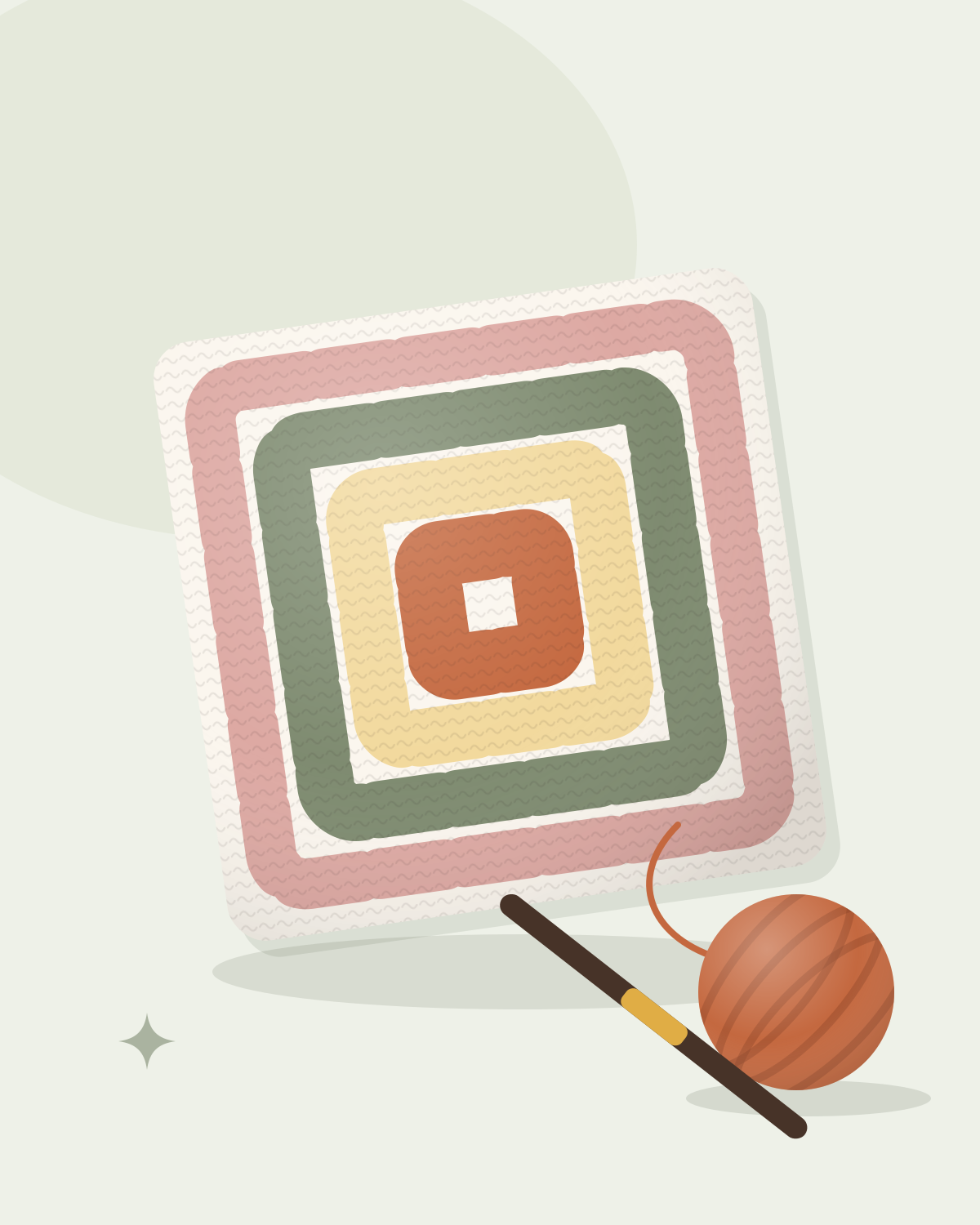 Free pattern
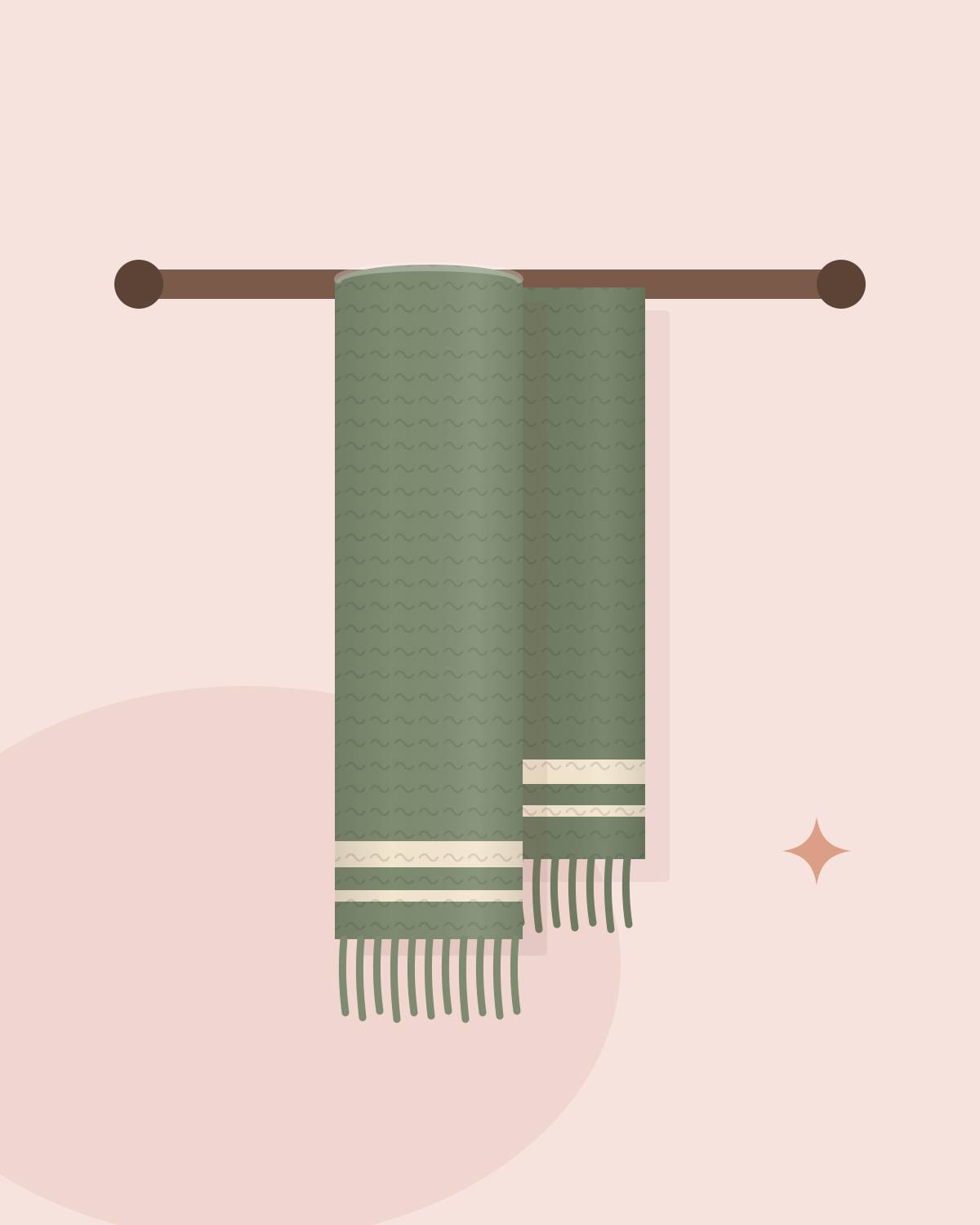 Free pattern
Keep reading
All articles
Pattern Roundups
7 Easy Crochet Patterns for Your First Month
Seven beginner-friendly free patterns, in a sensible order, with notes on what each one teaches — from a first scarf to a tiny amigurumi bee.
· 2 min read
Yarn
Cotton vs Acrylic Yarn for Amigurumi: Which Should You Choose?
Cotton and acrylic are two of the most popular yarns for amigurumi. Here is how they compare for stitch definition, softness, durability and safety.
· 1 min read
Seasonal
Cozy Autumn Crochet Projects to Start This Weekend
Three warm, satisfying free patterns for cooler days — a chunky blanket, a classic scarf and a quick baby beanie — plus ideas for autumn colors and yarn.
· 1 min read
Newsletter
A little crochet inspiration in your inbox.
New free patterns, gentle tutorials and seasonal ideas — about twice a month.